The world of ecommerce is continuously evolving, driven by technological advancements and changing consumer behaviors. As businesses strive to enhance their online presence and improve customer experience, several key trends are emerging in online store design and development. Here’s a look at the latest industry trends and news shaping the ecommerce landscape.
1. Personalization and Customization
Consumers are increasingly expecting personalized shopping experiences. Businesses are leveraging data analytics and AI to offer tailored recommendations, personalized emails, and customized shopping experiences. This trend not only boosts customer satisfaction but also increases conversion rates. Tools like dynamic content and personalized product suggestions are becoming standard in ecommerce design.
2. Mobile-First Design
With mobile commerce on the rise, a mobile-first approach is essential. Websites designed primarily for mobile users are more likely to engage and retain customers. This trend emphasizes responsive design, ensuring that online stores function seamlessly across devices. Features like one-click checkout and mobile-friendly navigation are critical to enhancing user experience.
3. Augmented Reality (AR) Integration
Augmented Reality is transforming how consumers interact with products online. Brands are integrating AR features to allow customers to visualize products in their real environment before making a purchase. This trend is particularly prominent in industries like furniture and fashion, where customers benefit from seeing how items look in their space or on themselves.
4. Sustainable Ecommerce Practices
As consumers become more environmentally conscious, ecommerce businesses are prioritizing sustainability in their operations. This includes using eco-friendly packaging, reducing carbon footprints, and promoting sustainable products. Websites are also being designed to highlight these efforts, helping brands connect with ethically-minded consumers.
5. Enhanced Security Features
With increasing online transactions, security has become a top priority for ecommerce businesses. Implementing robust security measures, such as two-factor authentication, SSL certificates, and transparent data privacy policies, is essential to build consumer trust. Recent news highlights the importance of compliance with regulations like GDPR and CCPA, prompting businesses to adopt best practices in data protection.
6. Voice Search Optimization
The rise of smart speakers and voice-activated devices is changing how consumers search for products. Ecommerce stores are optimizing their content for voice search by focusing on natural language processing and long-tail keywords. This trend encourages a shift in SEO strategies, making it crucial for online retailers to adapt to changing search behaviors.
7. AI-Powered Chatbots and Customer Support
AI chatbots are revolutionizing customer service in ecommerce. They provide instant support, answer queries, and guide users through their shopping journey 24/7. This trend not only enhances customer experience but also reduces operational costs for businesses. Recent advancements in AI technology are making these chatbots more sophisticated and capable of handling complex customer interactions.
8. Social Commerce Integration
Social media platforms are increasingly becoming ecommerce hubs. Brands are leveraging platforms like Instagram and Facebook to sell products directly, enhancing the shopping experience through integrated features like shoppable posts. This trend encourages businesses to create visually appealing content that drives traffic to their online stores.
9. Subscription Models and Membership Programs
Many ecommerce businesses are exploring subscription models to foster customer loyalty and ensure consistent revenue. By offering exclusive deals, products, or content, brands are able to build long-term relationships with their customers. This trend is particularly evident in industries such as beauty, food, and digital content.
10. Headless Commerce Solutions
Headless commerce is gaining traction as businesses seek greater flexibility in their ecommerce platforms. This approach decouples the front-end presentation layer from the back-end infrastructure, allowing for greater customization and faster updates. This trend enables brands to create unique and engaging user experiences while seamlessly integrating with various systems and technologies.
Vivid Online Ecommerce Store Design and Development
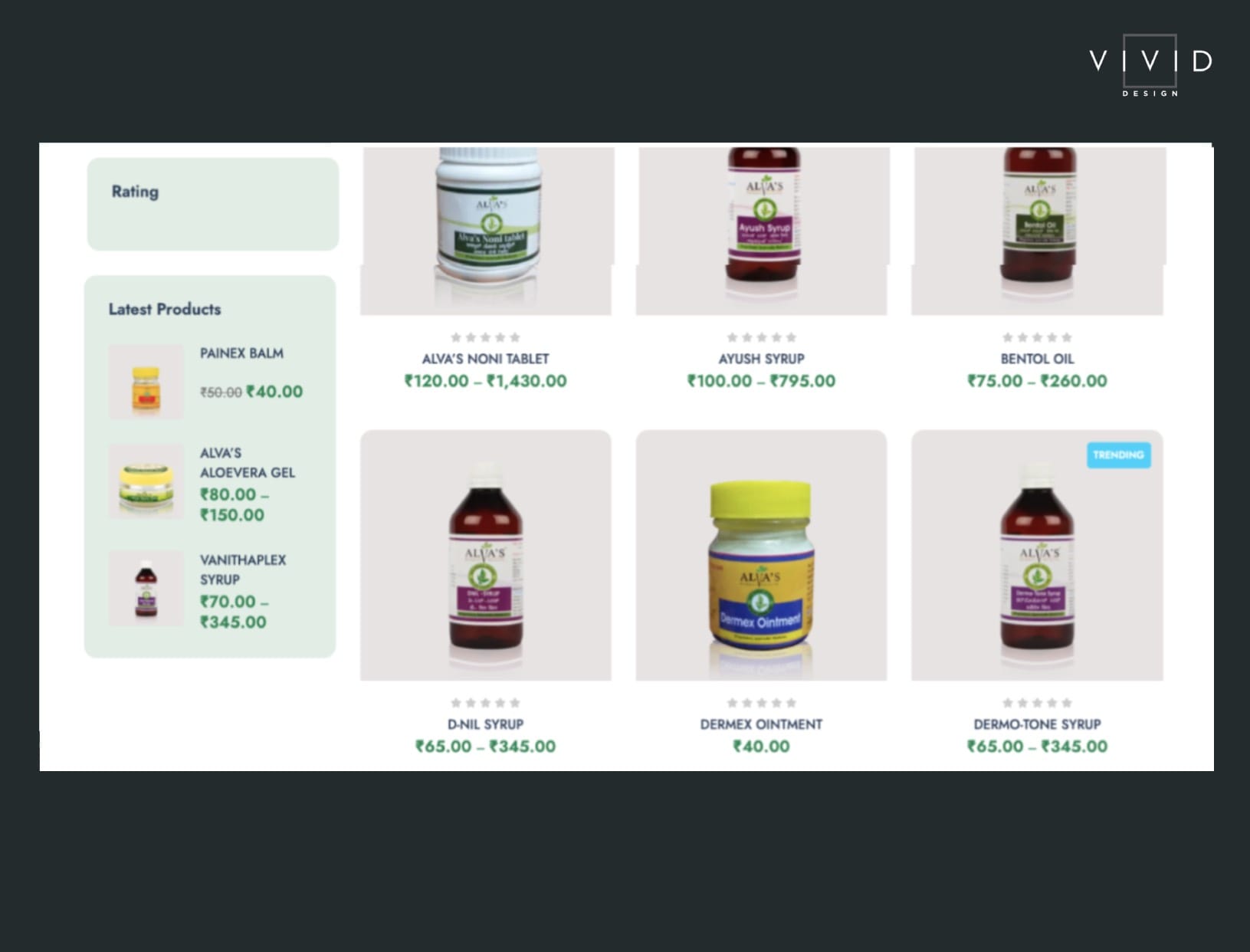
Vivid is a leading ecommerce design and development agency specializing in creating visually stunning and highly functional online stores. With a focus on user experience and innovative design, Vivid empowers businesses to establish a strong online presence and drive sales through captivating and efficient ecommerce solutions.
Services:
- Custom Ecommerce Design: Tailored website designs that reflect brand identity and enhance customer engagement.
- Responsive Development: Mobile-first and responsive design to ensure seamless user experiences across all devices.
- User Experience Optimization: Strategic design elements that prioritize usability, making shopping intuitive and enjoyable.
- Integration Solutions: Implementation of advanced technologies like AI chatbots, payment gateways, and inventory management systems.
- Ongoing Support: Comprehensive post-launch support and maintenance to ensure optimal performance and security.
Why Choose Vivid?
With a team of experienced designers and developers, Vivid combines creativity with technical expertise to deliver high-quality ecommerce solutions. Committed to client success, Vivid’s approach is centered around collaboration, innovation, and achieving measurable results.
Get in Touch:
Transform your online business with Vivid’s exceptional ecommerce design and development services. Visit our website or contact us today for a consultation!
Conclusion
The ecommerce landscape is rapidly changing, driven by technological advancements and evolving consumer expectations. Businesses must stay ahead of these trends to remain competitive and provide exceptional online shopping experiences. By embracing personalization, mobile-first design, AR integration, and other emerging trends, ecommerce brands can effectively meet the needs of modern consumers and drive growth in the digital marketplace.
As these trends continue to unfold, staying informed and adaptable will be key for businesses aiming to succeed in the ever-evolving world of ecommerce.