
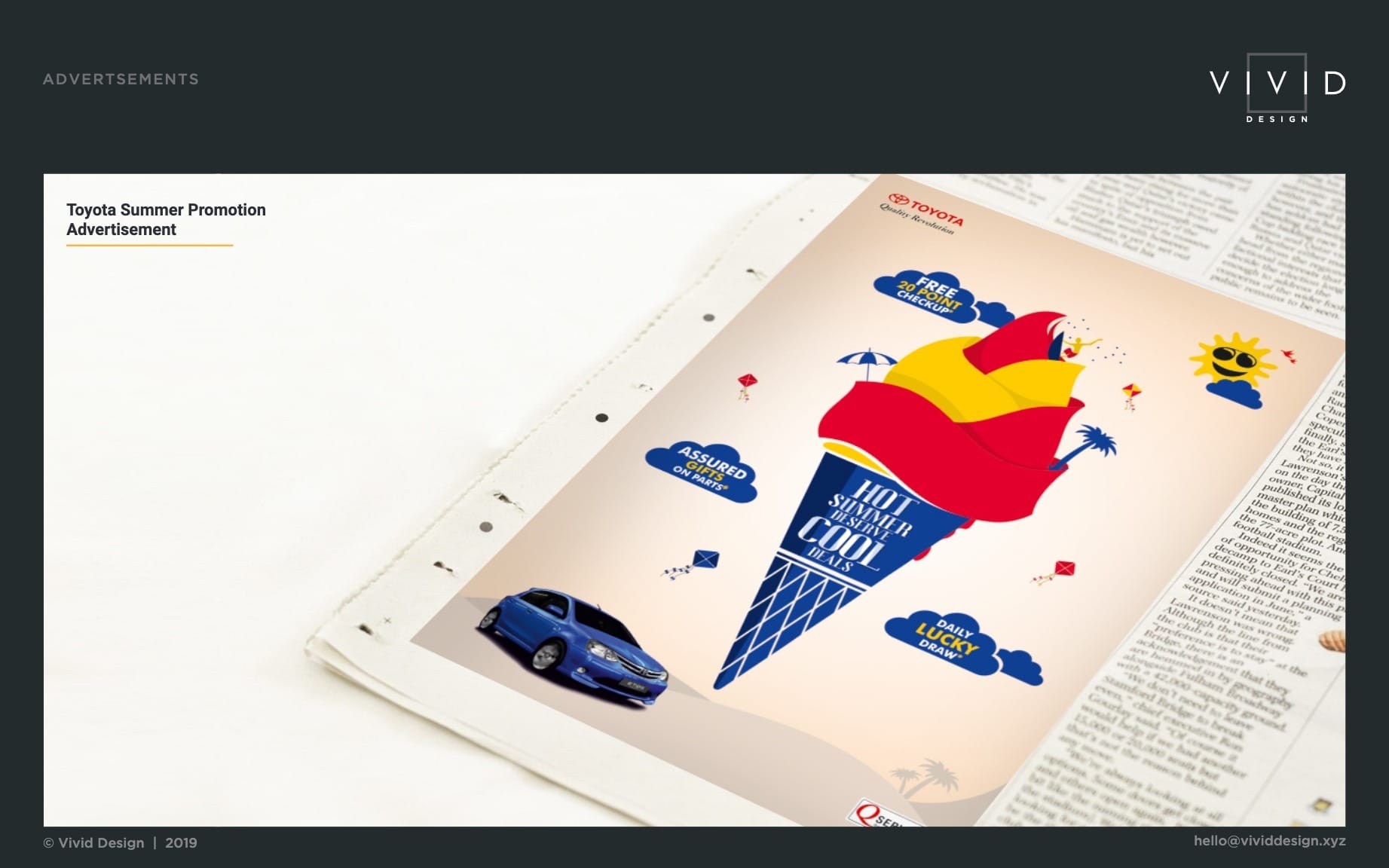
1. Digital Transformation and Programmatic Advertising
One of the biggest shifts in newspaper advertising is the growing influence of programmatic advertising. Traditional print ads are being supplemented by automated ad placements across digital platforms. Newspapers, with both print and digital editions, now offer advertisers real-time bidding (RTB) and personalized ad delivery, much like what is seen on social media and web platforms. This shift enables advertisers to target specific demographics based on data insights, increasing ad efficiency.
Major newspaper publishers are investing in digital platforms and analytics, enabling advertisers to buy space on their digital editions using artificial intelligence (AI) and machine learning tools. This automation reduces manual processes, improves ad placement precision, and provides valuable feedback on user engagement.
2. Decline in Print Advertising Revenue
Despite digital advancements, the decline in print advertising continues. Many advertisers are reallocating their budgets from print to digital media. This trend is especially noticeable in younger, urban markets, where consumers are more likely to engage with news online. According to industry reports, print ad revenues have dropped year-over-year as advertisers chase the massive reach and detailed analytics that digital platforms offer.
However, rural and older demographics still show strong readership for print editions, maintaining a niche for traditional newspaper ads.
3. Rise of Native Advertising
Native advertising—ads that blend seamlessly into the editorial content—has become a significant part of newspaper ad strategy. Instead of banner or sidebar ads, which consumers often ignore, native ads appear as sponsored articles, features, or interviews that match the tone and style of the newspaper. This trend enhances brand storytelling, improves reader engagement, and increases trust as the ads do not feel as intrusive.
Many news outlets are creating in-house branded content studios to develop custom native ads for advertisers, ensuring that the ads align with the publication’s tone and editorial standards.
4. Emphasis on Local Advertising
Local advertising continues to be a key pillar of newspaper revenue, particularly for small businesses. Local newspapers and their online platforms offer hyper-targeted ads to specific regional markets, providing a unique opportunity for businesses to connect with local audiences. As digital giants like Google and Facebook dominate global advertising, newspapers can still provide a valuable platform for geographically targeted advertising.
Moreover, local ads often involve trust and brand loyalty from the community. Newspapers that focus on regional news have a loyal reader base, making them an effective medium for small and medium-sized businesses (SMBs) to reach potential customers.
5. Personalized Advertising with AI and Data
The integration of artificial intelligence (AI) and big data is reshaping how ads are personalized and distributed. AI allows newspapers to analyze user behavior, reading patterns, and preferences, offering advertisers more precise targeting opportunities. For example, a reader who frequently visits the business section of a newspaper might be served ads related to financial services, investment opportunities, or luxury products.
Advertisers now expect newspapers to provide granular data on how their ads are performing—click-through rates, impressions, conversions, and user engagement metrics.
6. Sustainability and Ethical Advertising
As global awareness around environmental sustainability grows, many advertisers are looking for eco-friendly ad solutions. Newspapers are responding by offering sustainable advertising options, such as promoting digital editions to reduce paper use and emphasizing green initiatives. Furthermore, there’s a growing conversation about ethical advertising. Newspapers are more cautious about accepting ads from industries like fossil fuels or tobacco, aligning their advertising policies with responsible corporate practices.
7. Paywalls and Advertising Revenue Balancing
With many newspapers adopting paywall models to secure revenue from subscriptions, there’s a delicate balance between attracting paid subscribers and providing enough free content to engage ad-supported readers. Some newspapers use a freemium model, offering a certain number of free articles per month before triggering the paywall. Advertisers are interested in this model as it ensures a mix of casual readers and dedicated subscribers, creating more opportunities for targeted advertising.
8. Video and Interactive Ads in Digital Editions
As digital newspapers evolve, so do the ad formats. Video ads and interactive content are becoming popular in digital editions. These interactive ads engage readers with clickable elements, multimedia experiences, and real-time updates. This trend has emerged from the rise of video consumption and the increased use of mobile devices to read news, making video ads an effective way to capture attention.
Publishers are offering more dynamic and immersive ad formats, catering to advertisers who want to experiment with multimedia storytelling.
Conclusion
While the landscape of newspaper advertising is evolving rapidly, traditional print still holds value, especially in local markets. However, the future lies in a hybrid approach, where digital, programmatic, and native ads blend seamlessly with traditional formats. Newspapers that invest in AI, data analytics, and innovative ad formats are likely to attract more advertisers, offering them a personalized, engaging, and efficient way to reach their target audiences. The industry’s ability to adapt to digital trends while maintaining trust and credibility will define its advertising success in the years to come.