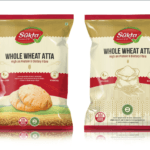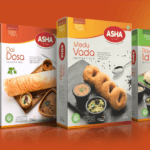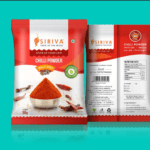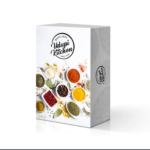
The world of brochures and catalogues design has been experiencing exciting innovations and trends, with technology and consumer preferences reshaping the landscape. From personalized print solutions to eco-friendly designs, companies in the brochure and catalogue industry are embracing new approaches to captivate audiences and boost brand presence. Here’s a look at some of the latest industry developments:
1. Personalization and Data-Driven Design
In the age of big data, personalization has become a crucial factor in brochure and catalogue design. Companies like Vistaprint and Shutterfly are using customer data to offer highly personalized designs tailored to individual preferences. This is part of a broader trend towards data-driven marketing, where insights into consumer behavior allow companies to craft more effective, targeted print materials. Personalized brochures and catalogues create a deeper connection with customers by showing that brands understand their unique needs and interests.
2. Rise of Digital Catalogues with Augmented Reality (AR)
One of the most exciting trends in catalogue design is the incorporation of Augmented Reality (AR). Companies like IKEA have already embraced this technology, allowing customers to visualize furniture in their homes through interactive catalogues. AR provides a digital layer to traditional print catalogues, offering an immersive experience that goes beyond static images. This trend is expected to grow, as more businesses see the potential for interactive brochures and catalogues to engage tech-savvy customers.
3. Eco-Friendly Materials and Sustainable Practices
Sustainability is a growing concern, and companies are making significant strides toward eco-friendly brochure and catalogue design. Moo and PaperCulture are leading the charge by offering products made from recycled materials and using carbon-neutral printing processes. Consumers are more environmentally conscious, and many businesses are adapting by producing catalogues with sustainable practices in mind. Some firms even offer the option of digital-only brochures to reduce paper waste entirely.
4. Minimalist Design and Visual Storytelling
Simplicity continues to dominate brochure design, with companies focusing on clean layouts, minimalist typography, and the use of white space. Brands such as Adobe Spark and Canva are promoting these trends by offering easy-to-use tools that allow businesses to create sleek, modern brochures without clutter. Visual storytelling is also taking center stage, with designers opting for images that tell the brand’s story succinctly. The focus on storytelling allows brochures and catalogues to be more engaging and meaningful.
5. Integration of Digital and Print Media
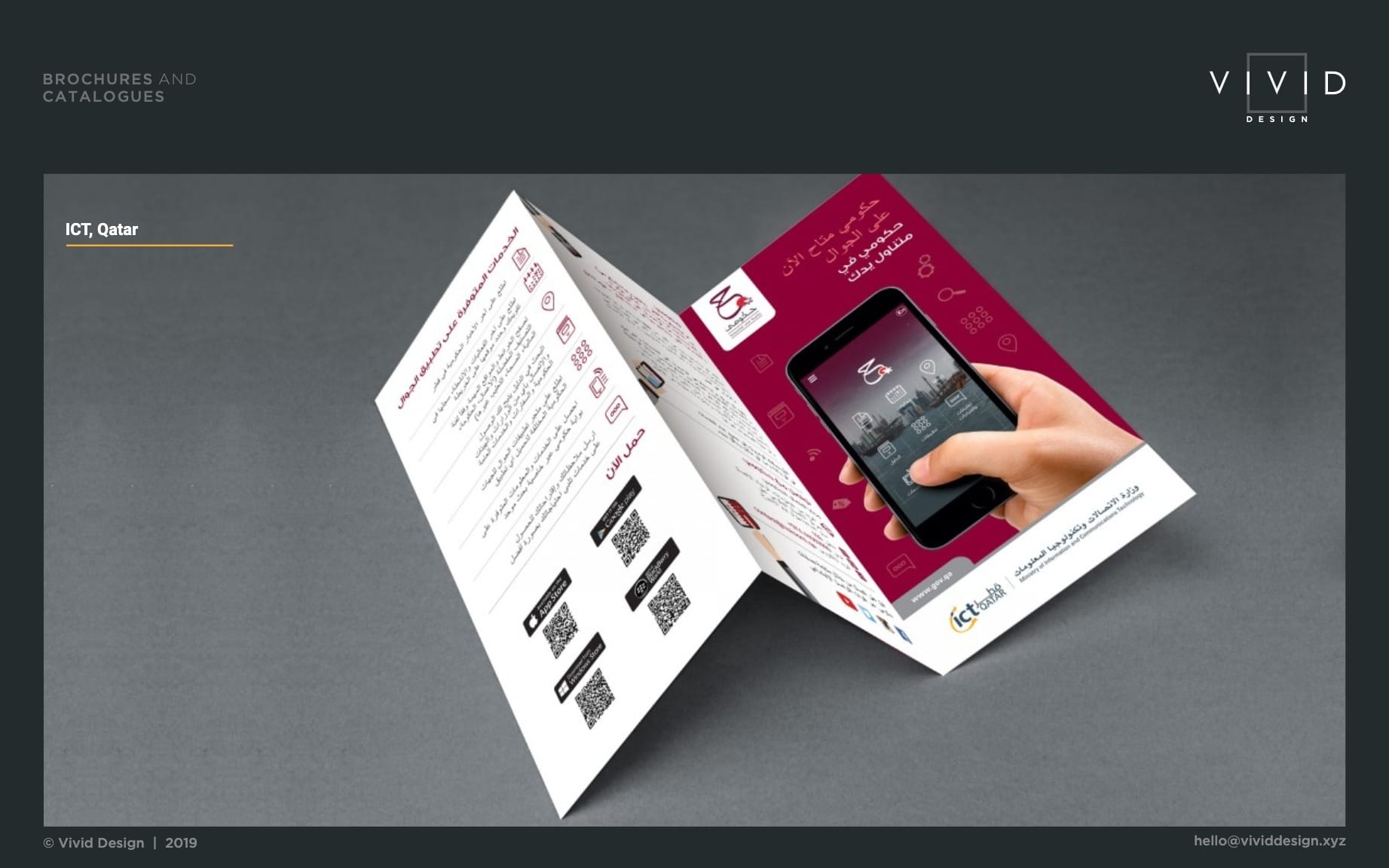
The boundaries between digital and print media are blurring, with companies integrating the two for a seamless customer experience. Vivid Print, for example, combines print brochures with QR codes that lead to online resources, videos, or e-commerce platforms. This hybrid approach helps businesses create a consistent brand experience across multiple channels while offering the best of both worlds—tangible print materials and the dynamic capabilities of digital media.
6. 3D Printing in Brochure Design
As 3D printing technology becomes more accessible, its application in brochure design is starting to gain traction. Some high-end brands are experimenting with 3D-printed elements to create unique, tactile experiences for their customers. This innovation is especially popular in the luxury goods and automotive industries, where brands are looking for ways to create standout materials that can’t be replicated digitally.
7. Enhanced Digital Tools for Brochure Design
The design process itself has also been revolutionized by new digital tools. Platforms like Adobe InDesign and Figma are now standard in the industry, offering a range of features that streamline the creation of brochures and catalogues. These tools make it easier for companies to produce high-quality designs quickly, enabling real-time collaboration among designers and clients. Cloud-based design services have also made remote collaboration smoother, allowing teams from different parts of the world to work on projects seamlessly.
8. AI-Powered Design
Artificial Intelligence (AI) is making its mark on brochure and catalogue design by automating certain design processes. AI-driven tools can assist in layout generation, font selection, and image placement, reducing the time and effort required to create professional brochures. Companies such as Designhill and VistaCreate have started incorporating AI into their design platforms, allowing businesses to generate designs based on preset parameters and customer data.
9. Shorter Turnaround Time with On-Demand Printing
The demand for fast production has led to the rise of on-demand printing services. Businesses now require shorter lead times for their marketing materials, which has prompted printing companies like Blurb and Printful to offer quicker turnaround times without compromising quality. This trend is particularly appealing for startups and small businesses that need to produce high-quality brochures and catalogues in a matter of days.
10. Subscription-Based Design Services
Another growing trend is subscription-based design services for brochures and catalogues. Platforms like Envato Elements and Design Pickle offer businesses unlimited access to design resources, templates, and even custom services on a subscription basis. This model is gaining popularity as it provides cost-effective solutions for companies that need to produce a steady stream of marketing materials throughout the year.
Conclusion
The brochure and catalogue design industry is undergoing a period of significant transformation, driven by advances in technology and changing consumer expectations. From personalized designs and AR integration to sustainable practices and AI-powered tools, companies are finding innovative ways to create more engaging, efficient, and impactful brochures and catalogues. As businesses continue to evolve their design strategies, the industry is poised for even more exciting developments in the coming years.