The world of logo design and branding is ever-evolving, with businesses constantly seeking innovative ways to create memorable and impactful brand identities. In 2024, we are witnessing several key trends and shifts that are shaping the industry, driven by technological advancements, changing consumer expectations, and a renewed focus on inclusivity and sustainability.
1. Minimalism with a Twist
Minimalism continues to dominate logo design, but in 2024, it’s all about adding a twist. Brands are embracing simplicity but are incorporating unexpected elements like quirky fonts, asymmetry, and abstract shapes. This approach ensures logos remain clean and versatile, while still being distinctive enough to capture attention. Tech giants like Apple and Google continue to lead this trend, but even smaller businesses are jumping on board, seeking timeless yet creative logos.
2. Retro & Nostalgia-Inspired Logos
Retro aesthetics are making a significant comeback. Logo designs inspired by 1980s and 1990s visuals—vibrant colors, bold typography, and pixelated elements—are being reimagined for modern audiences. This resurgence of nostalgia allows brands to connect with millennials and Gen Z, both of whom have a strong attachment to these eras. Recent rebrands, such as Burger King’s retro-inspired look, have sparked similar moves from other companies, seeking to leverage the familiarity and warmth associated with past designs.
3. Sustainable & Eco-Friendly Branding
Sustainability is more than just a buzzword—it’s becoming a crucial aspect of brand identity. Many brands are moving towards eco-friendly logos that reflect their commitment to the environment. This shift includes adopting natural color palettes (think earthy tones like greens, browns, and soft blues) and using sustainable design principles that emphasize minimal environmental impact. In industries such as fashion and food, logos and branding now showcase elements of nature and sustainable practices, signaling transparency and responsibility.
4. Motion Logos
As digital spaces become increasingly competitive, businesses are looking for ways to make their branding stand out. One of the latest trends is motion logos—dynamic logos that include animated elements. These logos are particularly effective for brands that heavily rely on digital platforms like social media, websites, and mobile apps. Motion logos not only enhance visual engagement but also allow brands to tell a story through movement. Companies like Spotify and Netflix are using subtle animations in their logos, adding depth and personality to their branding.
5. Custom Typography & Hand-Drawn Logos
In 2024, businesses are moving away from generic fonts and opting for custom typography and hand-drawn logos. This trend emphasizes individuality and uniqueness, with brands seeking to stand out through bespoke lettering. Hand-drawn logos also give a brand a human touch, which resonates with audiences looking for authenticity. Artisan coffee shops, boutique clothing stores, and small businesses are especially embracing this trend to create more personal connections with their customers.
6. Inclusive Branding
Diversity and inclusivity have become crucial pillars in modern branding. Companies are increasingly prioritizing logos and visual identities that reflect a wide range of cultures, gender expressions, and body types. This includes incorporating symbols or colors that are meaningful across different demographics and designing with inclusivity in mind. Fenty Beauty and Ben & Jerry’s are notable examples of brands that have embraced inclusive branding, ensuring their logos and overall identity appeal to a broad and diverse audience.
7. AI and Generative Design in Logo Creation
Artificial intelligence (AI) is revolutionizing the way logos are designed. AI-driven tools like DALL-E and Looka are enabling designers to create logos faster, often by generating a multitude of variations based on specific input. While these tools are not replacing human designers, they are proving invaluable in brainstorming and concept generation. AI is also enhancing personalization, allowing businesses to create dynamic logos that change based on user interactions or preferences, providing an even more customized brand experience.
8. Fluid & Adaptive Logos
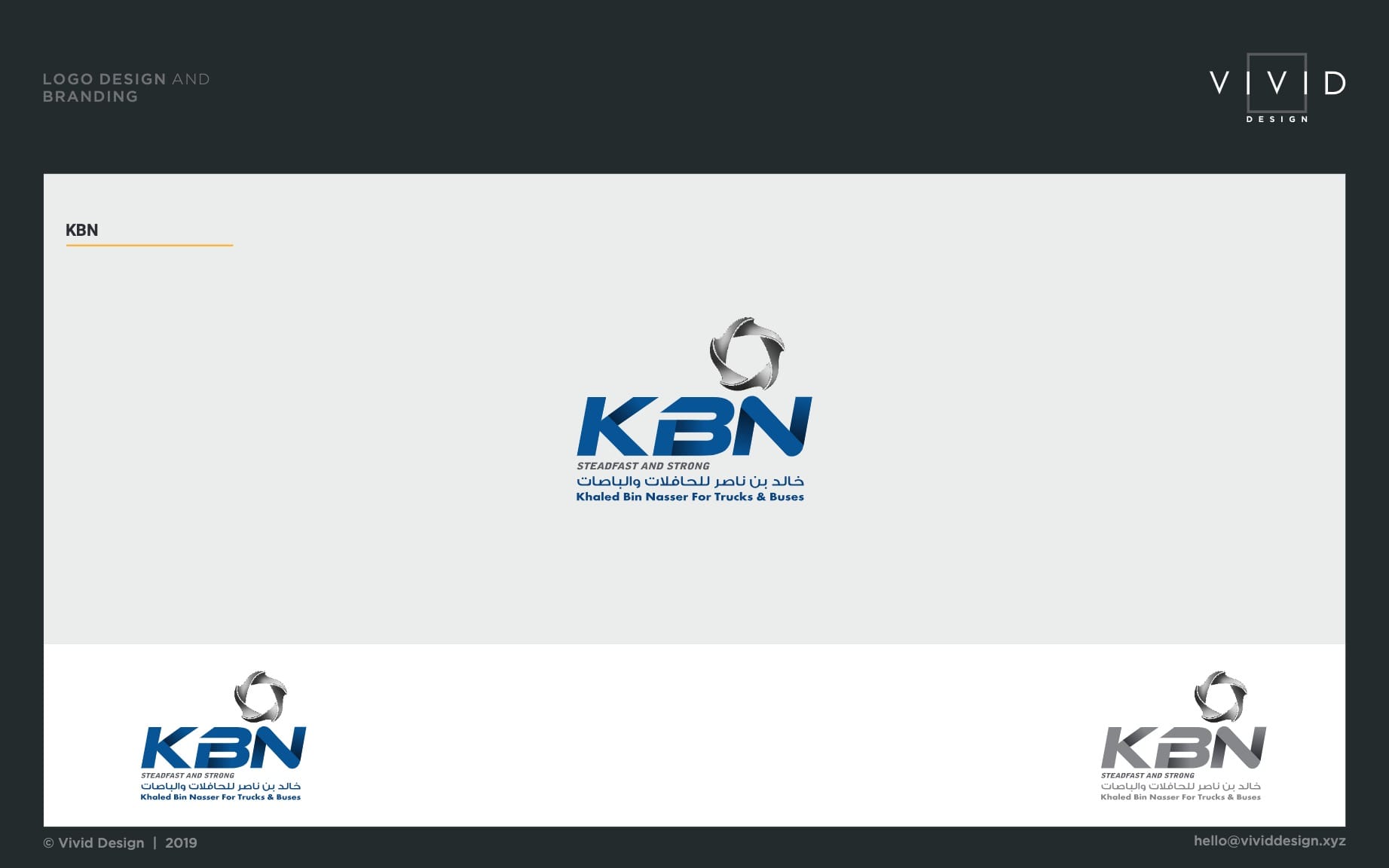
In today’s digital age, logos need to adapt to various platforms and screen sizes. The trend of fluid and adaptive logos is on the rise, with brands creating versatile designs that can scale and adjust seamlessly across mediums. For example, brands are designing logos that can shift from full-color versions on websites to simplified monochrome versions for mobile apps. This flexibility ensures brand consistency, regardless of where the logo appears. Companies like Nike and Twitter have mastered the art of adaptive logos, maintaining brand recognition across all digital touchpoints.
9. Brand Storytelling Through Logo Design
In 2024, logos are increasingly being seen as tools for storytelling. More than just a visual marker, logos are being designed to encapsulate a brand’s history, values, and mission. Consumers today want to connect with brands on an emotional level, and a well-designed logo can convey that narrative effectively. Story-driven logos often include subtle symbolism, hidden meanings, or elements that reflect the company’s journey. For example, Airbnb’s “Bélo” symbol represents belonging, a core value of the brand, while Amazon’s arrow points from A to Z, symbolizing the breadth of their product offerings.
Conclusion
The logo design and branding industry in 2024 is marked by creativity, adaptability, and purpose. Brands are not just focusing on aesthetics; they are seeking to build identities that resonate with their audience on a deeper level. Whether through minimalism, sustainability, or technology-driven design, businesses are pushing the boundaries of what logos can represent. As trends continue to evolve, the focus will remain on creating brand identities that are not only visually appealing but also meaningful and authentic.