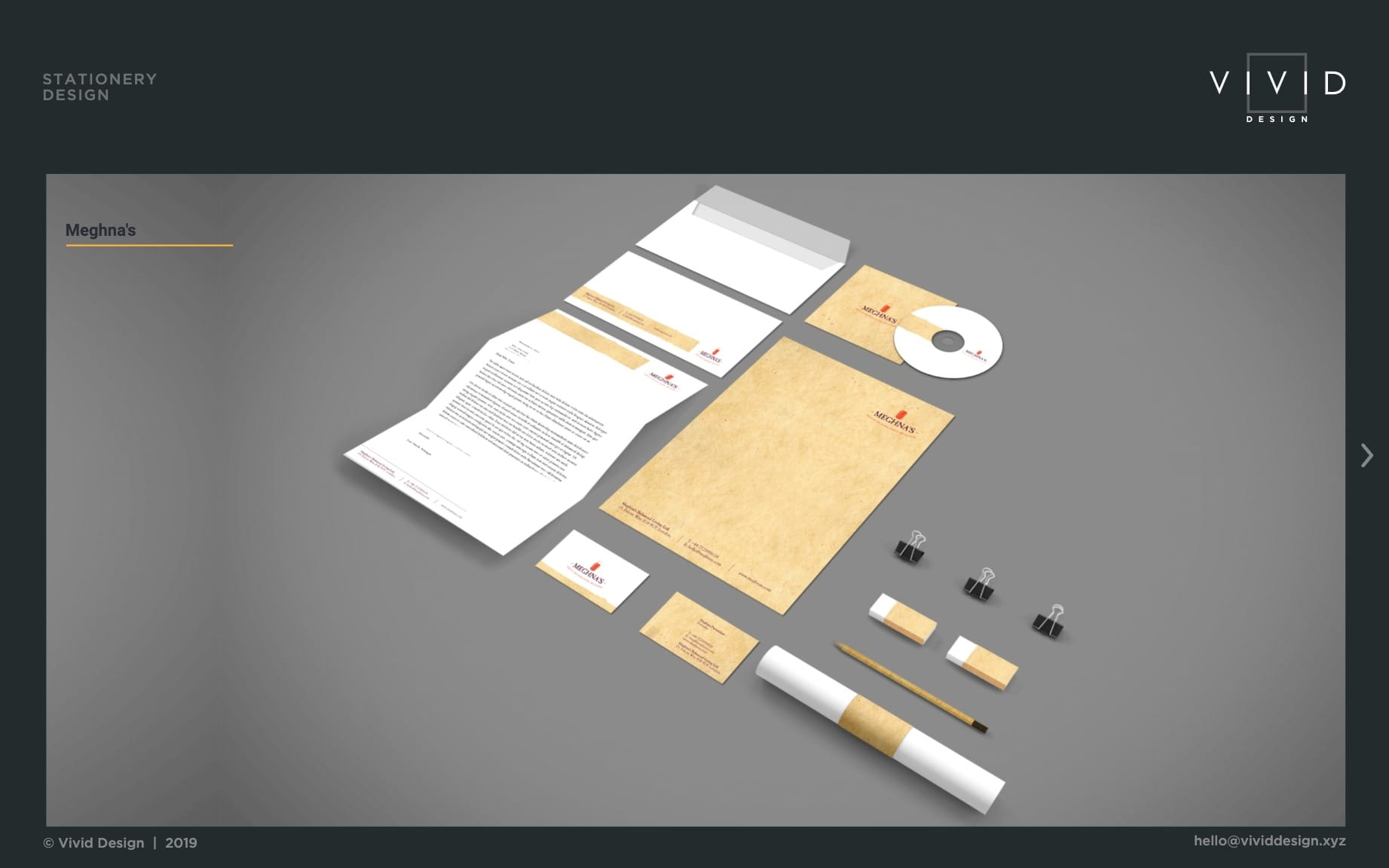
Stationery design, often seen as a blend of function and aesthetic, continues to evolve rapidly. With the rise of digital communication, one might assume the decline of stationery products, but on the contrary, this sector remains vibrant, driven by innovation, personalization, and a focus on sustainability. Here’s a look at the latest trends and news shaping the stationery design industry.
1. Sustainability Takes Center Stage
One of the most significant developments in the stationery industry is the increasing emphasis on sustainability. As environmental consciousness grows, brands are moving toward eco-friendly materials. Companies are introducing recycled paper, biodegradable packaging, and soy-based inks as alternatives to traditional options.
Notable innovations include plantable stationery, which contains embedded seeds in paper products that can be planted after use, and recycled pens made from ocean plastic or other post-consumer materials. Major stationery brands such as Moo and Poppin are leading the charge by offering sustainable alternatives without compromising on design.
2. Personalization and Customization
In the digital era, consumers are craving products that reflect their personal tastes and individuality. The demand for personalized stationery—whether for business or personal use—is booming. Brands now offer customizable notebooks, planners, and even pens, allowing users to select their colors, designs, and even add names or initials.
This trend has seen growth in businesses like Papier and Vistaprint, which focus on high-quality, personalized stationery designs that cater to niche markets, from elegant wedding invitations to corporate branding materials.
3. Minimalist and Elegant Aesthetic
The past few years have seen a shift towards minimalist stationery designs. Clean lines, simple typography, and monochromatic color schemes dominate current trends. This pared-back approach appeals to consumers looking for timeless, versatile products that prioritize form and function.
Brands like Baron Fig and Appointed have gained popularity for their understated elegance, offering planners, notebooks, and office accessories that combine utility with a sleek, modern aesthetic.
4. Hybrid Stationery: The Blend of Digital and Physical
As remote work and digital integration become more prevalent, stationery companies are innovating to bridge the gap between physical and digital worlds. A significant innovation in this space is the rise of smart notebooks, such as those from Rocketbook and Moleskine Smart Writing System, which allow users to write by hand but easily digitize their notes through an app. This hybrid approach caters to professionals and students alike who prefer the tactile nature of handwriting but need the convenience of digital storage.
5. Wellness and Productivity-Focused Stationery
As mental health and wellness take precedence in daily life, stationery design has expanded into this domain. Journals that promote mindfulness, gratitude, and productivity are seeing increasing demand. The Five Minute Journal is a standout product in this category, designed to promote positive thinking through structured daily reflections.
Moreover, planners and notebooks tailored for productivity—incorporating time-blocking techniques, goal-setting frameworks, and habit-tracking features—are becoming mainstream, appealing to a wide audience looking to optimize their personal and professional lives.
6. Collaborations and Limited Editions
In recent years, the stationery industry has also embraced the power of collaborations. High-profile partnerships between stationery brands and renowned designers, artists, or luxury brands have led to the creation of limited edition collections that cater to both the design-conscious and collectors. For instance, Moleskine has collaborated with major franchises like Harry Potter and Star Wars, producing themed notebooks that blend pop culture with high-quality craftsmanship.
Collaborations between stationery brands and sustainable fashion labels have also started to emerge, reflecting a growing trend where style, sustainability, and functionality converge.
7. The Resurgence of Letter Writing and Craftsmanship
Despite the rapid rise of digital communication, there’s been a resurgence in the appreciation of handwritten letters and fine craftsmanship. Boutique stationery brands are focusing on artisanal methods, with handmade papers, letterpress printing, and luxury pens crafted from premium materials becoming sought after by both consumers and businesses.
Handwritten correspondence, especially during events like weddings and holiday seasons, is becoming a cherished tradition, adding a personal touch in an age of emails and instant messaging.
Final Thoughts
The stationery design industry continues to evolve, striking a balance between tradition and innovation. From eco-friendly products and personalized designs to hybrid digital stationery and artisanal craftsmanship, the sector remains dynamic and full of creative possibilities. With sustainability and personal expression driving consumer choices, it’s clear that stationery, far from fading away, is undergoing a renaissance that aligns with the values of today’s discerning customers.
As the industry progresses, stationery will continue to play a key role in both professional and personal spheres, offering tangible, beautifully designed tools that blend creativity with functionality.